
Attic Insulation & Spray Foam Installation Across Texas
Lower energy bills, reduce hot spots, and improve comfort year-round with properly installed attic insulation and spray foam (open-cell or closed-cell).
Why Attic Insulation Matters in Texas
In Texas heat, the attic is often the biggest driver of comfort problems and high utility bills. A properly insulated and air-sealed attic helps your HVAC system run more efficiently, reduces temperature swings between rooms, and improves indoor comfort in both residential and commercial buildings.
Types of Home Insulation (and Where Each Works Best)
Different insulation materials solve different problems. We help you choose the right approach based on your attic layout, HVAC setup, moisture risk, and performance goals.
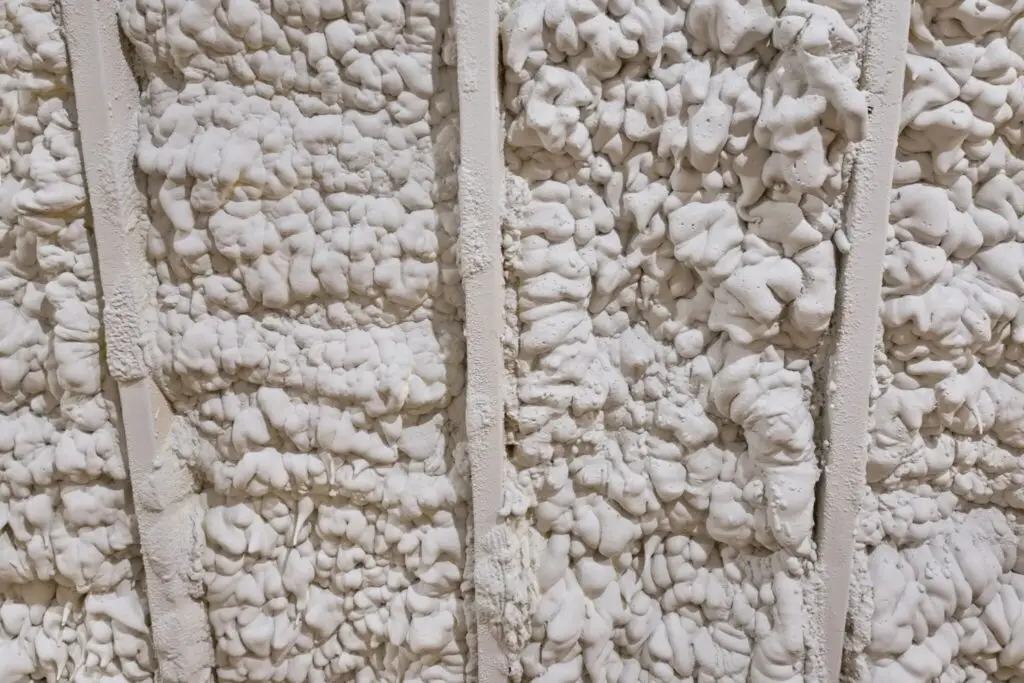
Spray foam insulation
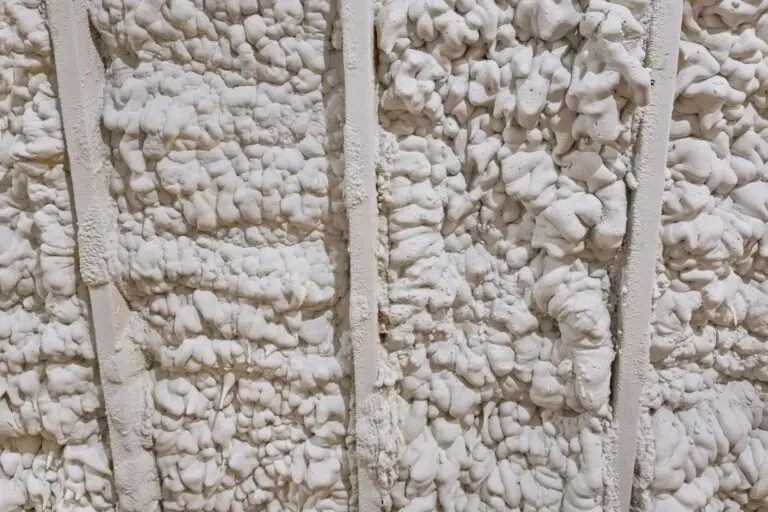
Spray foam expands to seal gaps and cracks while insulating at the same time. It’s ideal for air sealing and for attics with lots of penetrations, complex framing, or ductwork that needs to be brought into a more controlled environment.
Open-cell vs. closed-cell
Blown-in insulation (fiberglass or cellulose)
Blown-in insulation is a cost-effective way to add coverage across large attic floors, especially when existing insulation is low or uneven. It fills around framing and can improve performance when paired with proper air sealing.
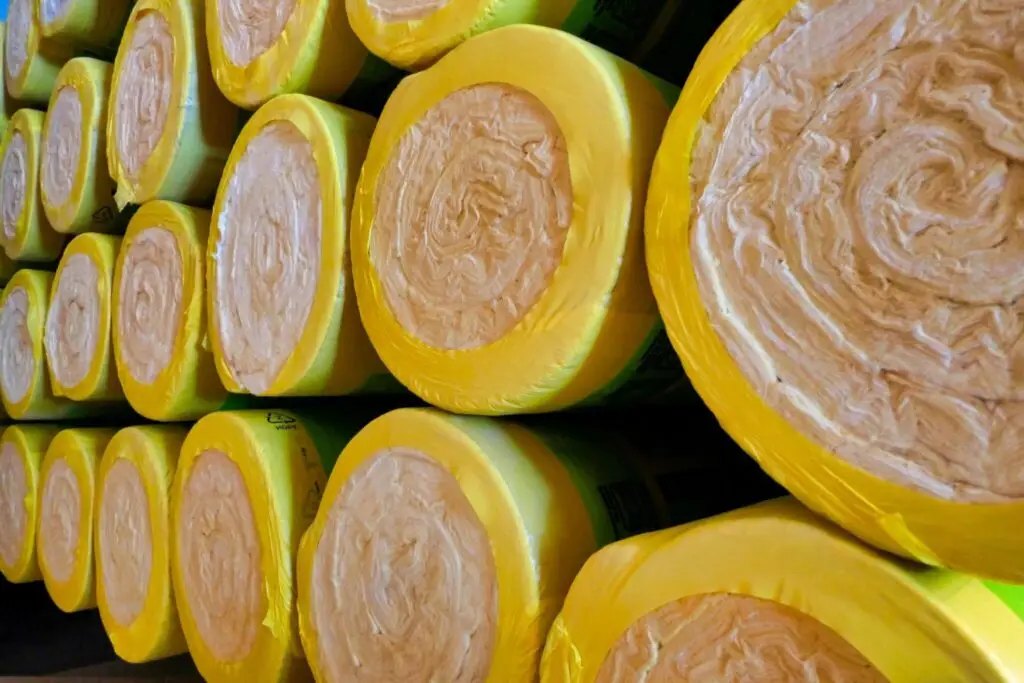
Batt / roll insulation
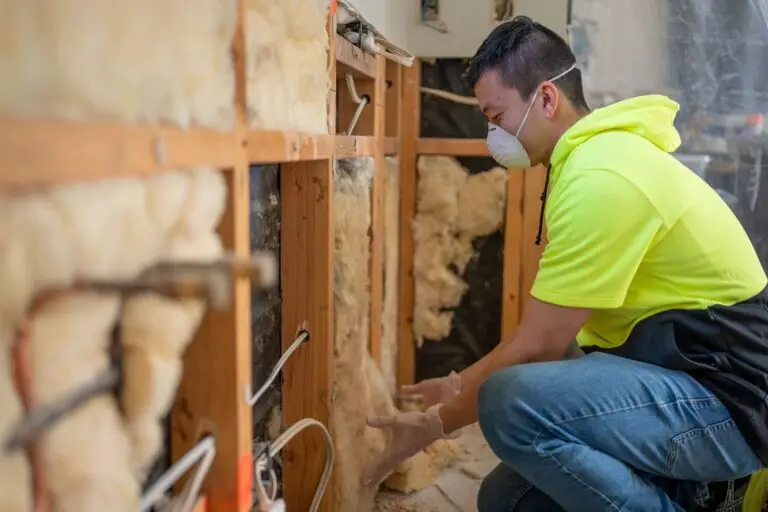
Batts (often fiberglass or mineral wool) are installed between studs and joists. They work well in open framing where consistent thickness can be maintained. Proper fit matters—gaps, compression, and misalignment can reduce performance.
Rigid foam board
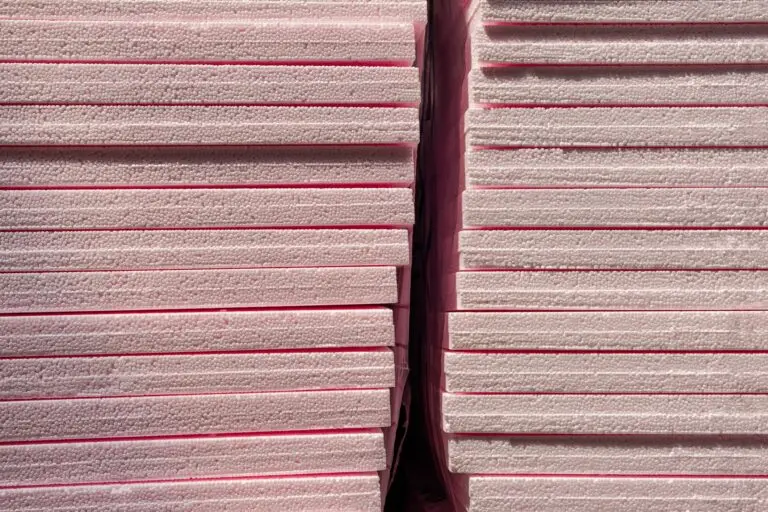
Rigid foam boards (such as XPS/EPS/polyiso) are used where you need continuous insulation, improved thermal breaks, or moisture resistance. They’re common on exterior walls, certain roof assemblies, and specialty attic details.

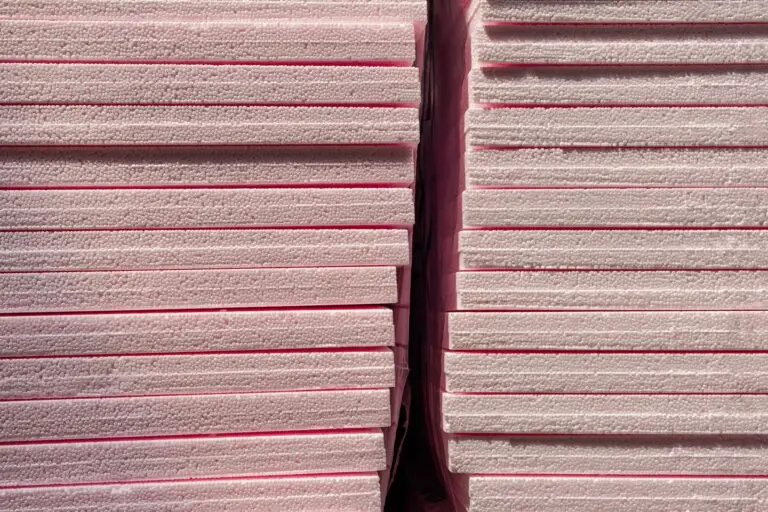
R-Value Guidance for Texas
R-value measures resistance to heat flow. In Texas, attic performance is especially important because heat gain through the roof can drive cooling costs. We’ll recommend an insulation level that fits your building type, attic design, and comfort goals.
What we consider
A practical Texas approach
Air Sealing, Ventilation & Moisture Control
Insulation works best when the attic is properly air sealed and managed for moisture. We focus on the building as a system—insulation, airflow, and ventilation all work together.
Air sealing (attic bypasses)
Moisture & vapor control
Ventilation basics
Radiant barriers (optional)
Duct insulation in attics
Benefits: Energy Savings, Comfort & Sound Reduction
Signs You Need More Attic Insulation
Our Attic Insulation & Spray Foam Installation Process
Step-by-step
Timeline
What’s included
Safety & general code notes
Insulation Gallery
Insulation FAQs
Get an Insulation Quote Anywhere in Texas
Texas Installer Inc provides attic insulation and spray foam solutions for homes, offices, and commercial spaces across the state. Tell us what you’re working on—we’ll recommend the right insulation system and handle the installation from start to finish.