
Driveway Installation & Repair
Driveways built for Texas weather, traffic, and terrain
From rural gravel lanes to urban concrete and pavers, we design and install driveway surfaces that fit your property, drainage needs, and budget—serving residential and commercial projects across Texas.
Driveway services
A better driveway starts with the right prep
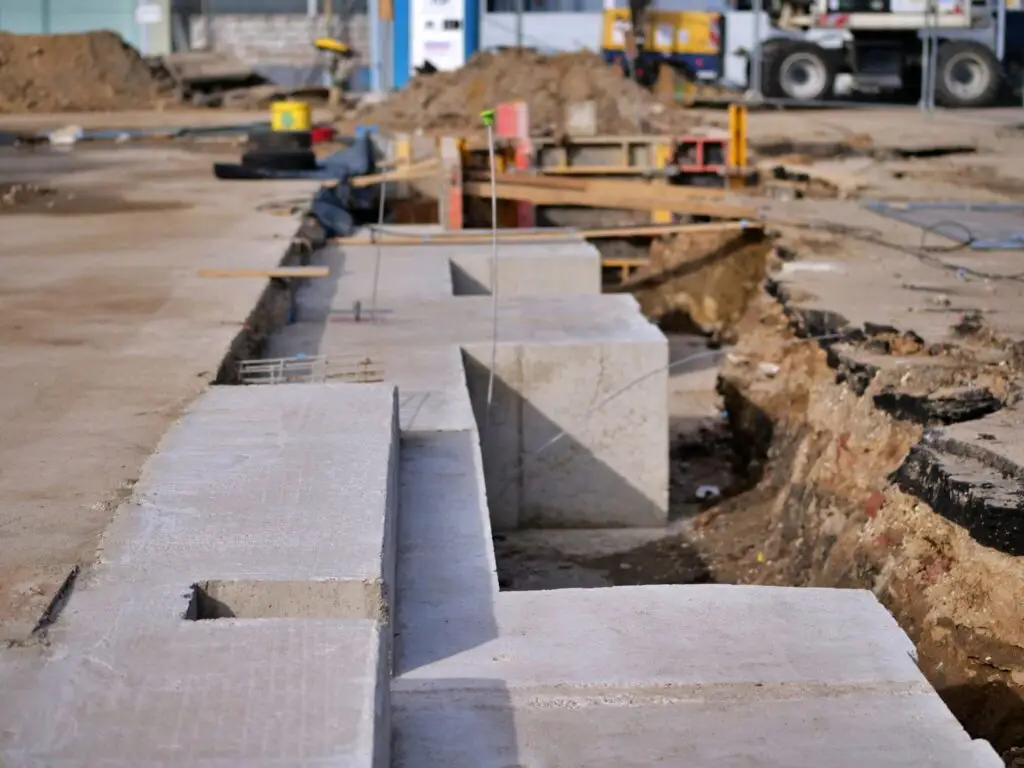
Choose the right surface—and build it on the right base

Surface options
Gravel, asphalt, concrete, pavers, and chip seal—each has different costs, maintenance needs, and performance in heat and rain.
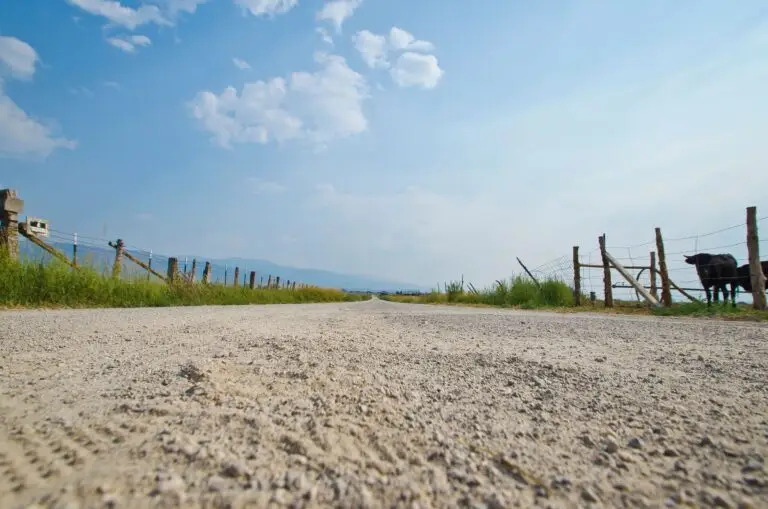
Rural vs. urban considerations
Dust and mud control, heavy vehicles, long runs, and culvert tie-ins for rural properties—plus HOA/city requirements and curb cuts in town.
Drainage & grading
We plan slope, swales, and water flow so runoff moves away from structures and doesn’t undermine the base over time.
Gravel to concrete: what to consider before you choose
We’ll recommend the best surface based on traffic, drainage, appearance, and long-term upkeep. Here’s a practical overview of common driveway surfaces in Texas.
Budget-friendly and great for long rural runs. Best results come from proper base rock, geotextile (when needed), and a crowned profile to shed water.
Smooth and comfortable with faster installation than many hard surfaces. Needs periodic sealing and good base prep to reduce cracking and rutting.
Durable, clean look, and handles heavy loads well when properly reinforced and poured at the right thickness. Control joints and drainage details matter.
Pavers offer a premium look and easy spot repairs; they require meticulous base prep. Chip seal can be a cost-effective option for some rural applications with the right subgrade and maintenance expectations.
Design details that change based on where you live
A rural driveway often needs different solutions than a city driveway. We plan for water, soil, traffic, and local requirements so your surface performs well year-round.
Rural properties: dust, mud, and long runs
We can add stabilization strategies, proper crown/slope, and turnout areas for passing. For long gravel drives, the right rock size and base layer prevents washboarding and soft spots.
Heavy vehicles & equipment access
We can add stabilization strategies, proper crown/slope, and turnout areas for passing. For long gravel drives, the right rock size and base layer prevents washboarding and soft spots.
aIf you expect delivery trucks, trailers, RVs, or commercial traffic, we plan thickness, base depth, and turning radius to reduce rutting and edge failure.
Urban/HOA/city requirements
We can work within HOA guidelines and common city requirements like driveway width, curb cuts, sidewalk tie-ins, and drainage rules (where applicable).
Weather considerations (including ice where applicable)
Most of Texas is heat-and-rain focused, but in areas that see occasional ice, surface texture, drainage, and safe transitions at sidewalks/entries become even more important.
Base prep, thickness, and drainage—done the right way
Most driveway problems start below the surface. We focus on subgrade stability, proper compaction, and water management to help your driveway last.
We evaluate soil conditions and usage (cars vs. heavy trucks) to determine base depth, compaction approach, and surface thickness. This helps reduce settling, cracking, and rutting.
We plan slope away from structures, add swales or channeling where needed, and help prevent standing water that can weaken the base over time.
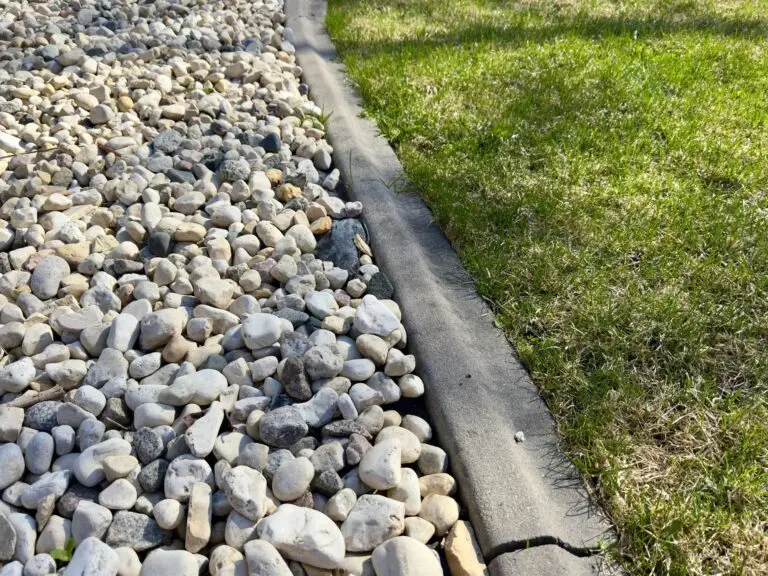
Edging supports pavers and helps keep gravel contained. Curbs and clean transitions at sidewalks/garage slabs improve durability and curb appeal.
Add a widened parking area, RV pad, or turnaround to reduce wear at tight turns and keep vehicles off soft ground.
Repair vs. replace: what’s the smarter move?
Not every driveway needs a full replacement. We’ll assess the base, drainage, and surface condition to recommend the most cost-effective path forward.
Repair may be a good fit for localized cracking, minor settlement, potholes, or edge breakdown—especially when the base is still stable. Replace is often better when there are widespread failures, chronic drainage issues, or repeated repairs that don’t hold.